




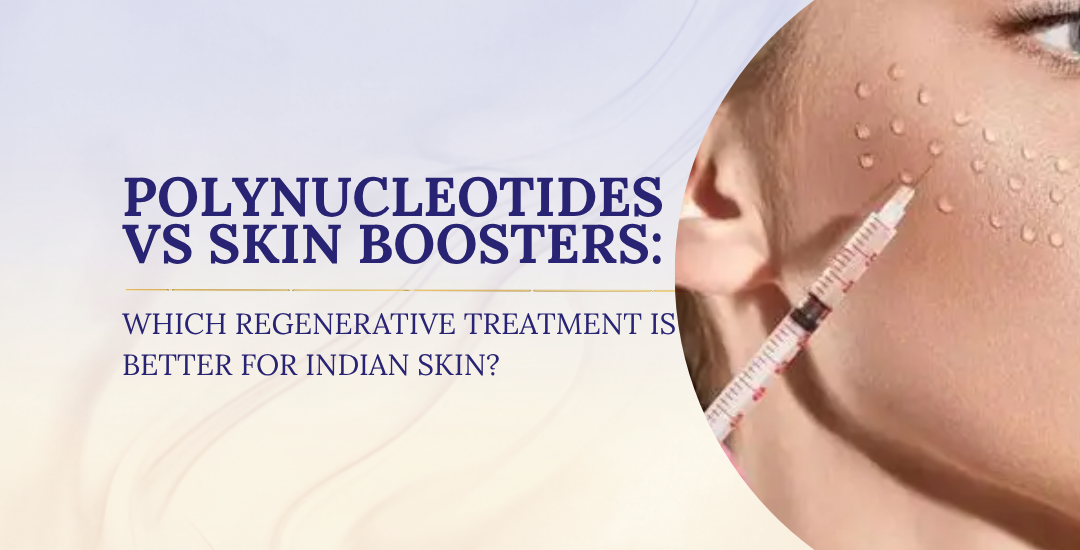
Polynucleotides are DNA-derived injectables that trigger cellular repair and collagen regeneration, while skin boosters are low-cross-linked hyaluronic acid that floods the skin with hydration. Both improve skin quality, but they work at different depths and solve different problems. For Indian skin, which is more prone to pigmentation and post-inflammatory marks, the choice hinges on whether the goal is genuine repair or a hydrated glow. The right pick depends on skin age, concern, and how long you want results to hold.
According to Dr. Harjot Kaur, an aesthetic clinic in Pune specialist, “Patients hear both marketed as glow treatments and assume they are interchangeable. They are not. One rebuilds the skin over time, the other hydrates it, and Indian skin often does better starting with repair.”
|
Factor |
Polynucleotides |
Skin Boosters |
|
Action |
Repair |
Hydrate |
|
Source |
Salmon DNA |
Hyaluronic acid |
|
Results |
Gradual |
Quicker |
|
Pigment help |
Yes |
Limited |
Not sure which your skin actually needs?
Get a personalised treatment plan from Dr. Harjot Kaur — no obligation, no pressure.
Call 072900 54540 | www.theinspiration.in
How do polynucleotides and skin boosters actually differ?
The two get lumped together as glow injectables, yet what happens under the skin is worlds apart.
Polynucleotides rebuild from within, since the DNA fragments stimulate fibroblasts to lay down fresh collagen, so you are repairing the skin’s structure rather than just topping up moisture, and that suits mature or damaged skin best.
Skin boosters flood the tissue with hydration because the hyaluronic acid pulls in and holds water, delivering that dewy plumpness fast, which makes them a strong pick for dull, dehydrated skin that still has decent structure.
The timelines separate them too. Boosters show a glow within days while polynucleotides work slowly across weeks as collagen forms, so one rewards patience and the other rewards impatience.
For Indian skin the pigment angle matters, and this is where PN pulls ahead, given its anti-inflammatory action and reported effect on melanocyte activity, both useful where post-inflammatory pigmentation is a constant risk. A regenerative skin treatment plan built around your skin type decides the result.
Which one is better for Indian skin specifically?
The honest answer is that it depends on the skin in front of you, not on which treatment is trending.
Younger skin is a booster, because in your twenties and early thirties the job is prevention and hydration rather than rebuilding, and a skin booster covers that without the intensive regeneration mature skin needs.
Ageing or damaged skin leans polynucleotide, since sagging, crepiness, and years of sun exposure call for actual collagen repair, and that is exactly the deficit PN is built to address.
Pigmentation-prone skin has a clear tilt toward polynucleotides, as Indian skin marks easily after inflammation and PN’s calming, regenerative profile helps more than pure hydration ever will.
Most real plans combine them, because a course of polynucleotides to rebuild followed by boosters to maintain the glow often beats forcing a single treatment to do everything. If you are weighing how different modalities pace their results, our breakdown of ultrasonic cavitation treatments shows how timelines vary by method.
Why Choose Dr. Harjot Kaur for Indian Skin Treatment?
Dr. Harjot Kaur brings 19+ years in aesthetic and cosmetic medicine, with several national awards and a practice that handles skin rejuvenation for thousands of patients across India.
Patients stay because the recommendation fits their skin type and concern, not whatever is trending that season. You get an honest read on whether repair, hydration, or a combination will actually move the needle for your skin, with no pressure toward the pricier option.
Not Sure Which Area to Treat First?
Send us a quick enquiry — Dr. Harjot Kaur will personally map a plan for your body and your goals.
Call 072900 54540 | www.theinspiration.in
Frequently Asked Questions
Are polynucleotides better than skin boosters?
Not universally, polynucleotides repair while boosters hydrate different needs.
Do polynucleotides help with pigmentation?
Yes, their anti-inflammatory action suits pigment-prone Indian skin.
How long do skin booster results last?
Usually a few months before a repeat session is needed.
Can I combine both treatments?
Yes, many plans use polynucleotides first, then boosters to maintain.
Wondering if your stubborn belly bulge actually needs one round or three?
Send us a quick enquiry — Dr. Harjot Kaur will personally map a plan for your body and your goals.
Call 072900 54540 | www.theinspiration.in
Reference:
Skin Boosters: Definitions and Varied Classifications — NCBI/PMC: https://pmc.ncbi.nlm.nih.gov/articles/PMC10938033/
